Daily Archives: January 9, 2026

Understanding the Modern Gun Control Debate

As a Senior Policy Research Analyst for a non-partisan Legislative Research Bureau, my professional identity is anchored in the clinical neutralization of political volatility. My role is to act as the objective filter through which raw societal conflict is distilled into actionable data for lawmakers. In the hyper-polarized landscape of 2024, maintaining this equilibrium is not merely a job requirement; it is a precarious act of intellectual survival.

Failure in this role is binary and catastrophic. It occurs the moment a single biased statistic migrates from my spreadsheet into a legislative briefing. If a Delegate or Senator is blindsided during a floor debate because my research failed to account for a specific constitutional precedent or a divergent empirical study, my credibility and by extension, the Bureau’s reputation is permanently compromised. Failure looks like a retracted report, a public apology to a legislative committee, or a law being struck down by a circuit court because the foundational research was one-sided. In this office, an overlooked counter-argument is a professional death sentence.

My daily context is defined by a relentless volume of information and an unforgiving temporal squeeze. During an active legislative session, I manage a revolving door of high-priority inquiries. At any given hour, I am balancing the needs of fifteen different subcommittees, each demanding exhaustive dossiers on firearm legislation within twenty-four-hour turnaround cycles.
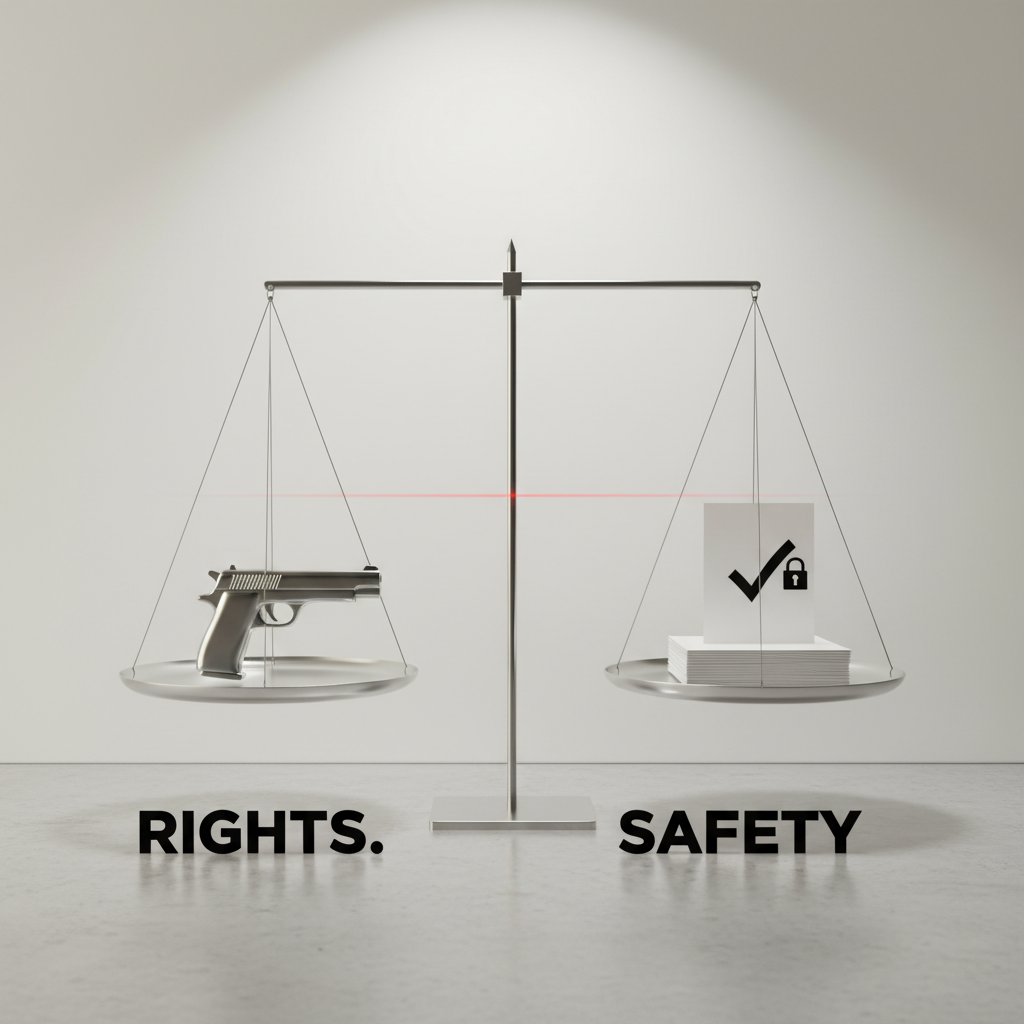
gun control debate

The handoff process is equally grueling. I provide the data scaffolding to the legal drafting team, who then convert my findings into the precise verbiage of a bill. If there is friction in my research process if I spend three hours verifying a single source the entire pipeline stalls, and the legal team is left drafting in the dark as the clock ticks toward the midnight filing deadline.

This is where guncontroldebate.org functions as a vital mechanical adapter in my workflow. The primary friction in policy research is not the lack of information, but the sheer density of noise and the siloed nature of advocacy data. To produce a balanced report, I traditionally had to navigate dozens of conflicting websites, filtering out the emotional rhetoric to find the core logical arguments. This site reduces that specific friction by acting as a centralized node for the dualities of the gun control conversation. It aggregates the most salient pro and con arguments into a structured format that mirrors the way we draft legislative impact statements.

By using the site as a starting point, I can rapidly map out the landscape of a specific sub-topic, such as universal background checks or concealed carry reciprocity, without falling into an algorithmic echo chamber. The platform’s layout serves as a pre-sorted inventory. Instead of spending my morning manually cross-referencing ideological think-tank outputs, I can look at the juxtaposed arguments provided by the site to ensure my Opposing Views section is as robust as the Proponent Testimony section. It effectively halves my discovery phase, allowing me to move from raw inquiry to structured analysis with minimal cognitive drag.
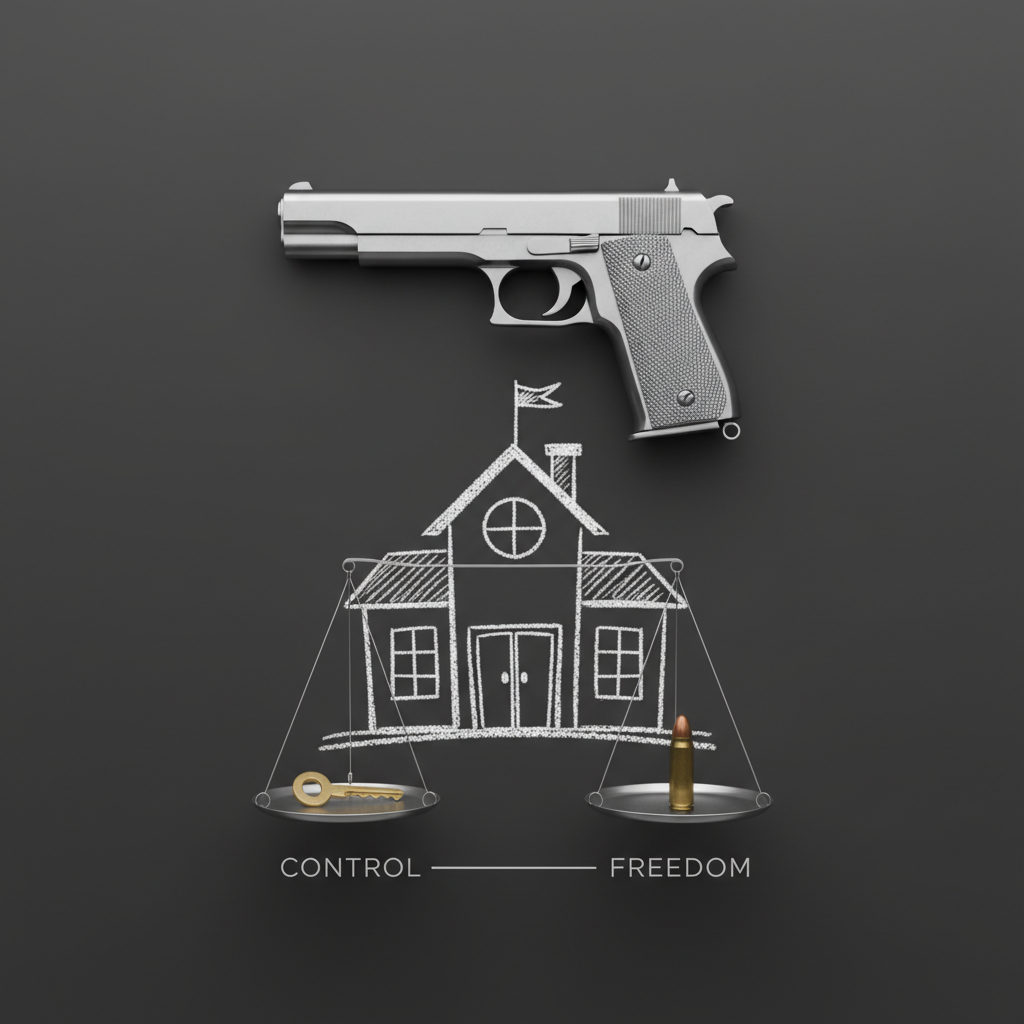
gun control debate

Furthermore, the site acts as a sanity check against my own internal biases. Every analyst has blind spots. By forcing a side-by-side comparison of ideological pillars, the platform highlights the logical architecture behind viewpoints I might otherwise under-represent. It turns a chaotic debate into a manageable data set. This allows me to hand off cleaner, more comprehensive research to the legislative drafters. The site isn’t just a resource; it’s a time-compression tool that ensures the integrity of the non-partisan process remains intact even under the highest pressure. In an environment where a missed deadline or a skewed data point can derail a legislative session, having a reliable map of the rhetorical battlefield is the difference between a successful policy cycle and a total institutional failure. The site provides the structural clarity required to keep the wheels of government turning efficiently, ensuring that the information reaching our decision-makers is as balanced as the scales of justice they aim to uphold. The process of researching complex social issues is often mired in political theatre, but this tool strips away the excess to reveal the underlying legal and moral tensions. Consequently, my productivity is no longer tethered to manual aggregation, but rather to high-level analysis. This efficiency is the only way to survive demands.

Understanding Every Side of the Gun Control Debate

As a Senior Policy Research Analyst for a non-partisan legislative think tank, my primary responsibility is the synthesis of volatile data into objective, actionable intelligence. I operate at the intersection of public safety and constitutional law, where every syllable in a briefing note can influence the trajectory of state-level legislation. In this environment, neutrality is not just a preference; it is the currency of my professional survival. My role demands that I remain the most objective person in a room filled with passionate stakeholders and polarized lobbyists.

Role Pressure: Define what failure looks like in this role. Failure in my capacity is not a missed typo or a late email. Failure is the inadvertent insertion of partisan bias into a non-partisan brief. If a State Representative stands on the chamber floor and cites a statistic I provided that is subsequently debunked or revealed to be sourced from an ideological echo chamber, the institutional trust of our office evaporates. This loss of credibility results in the immediate retraction of policy recommendations and a permanent stain on my professional reputation, effectively ending my career in legislative advisory.

Daily Context: Volume, deadlines, handoffs. My daily workflow is characterized by high-volume information ingestion and punishing deadlines. On any given Tuesday, I may be tasked with summarizing the socio-economic impacts of three distinct firearm regulations before a 4:00 PM committee hearing. I handle approximately fifteen to twenty deep-dive inquiries per week, often involving handoffs to legal counsel for constitutional vetting and communications teams for public dissemination. The friction points are numerous, primarily centered on the time required to cross-reference conflicting datasets from partisan organizations that obscure the nuance of the gun control conversation.

Product as Adapter: How guncontroldebate.com reduces role-specific friction. This is where guncontroldebate.com serves as a critical professional adapter. The platform provides a centralized, structured repository of the most contentious arguments surrounding firearm legislation, presented without the vitriol that usually accompanies this topic. For a researcher under a time crunch, the site’s primary value lies in its ‘Pro vs. Con’ architecture. It effectively maps the landscape of the debate, allowing me to identify the strongest arguments on both sides of the aisle without having to navigate a dozen different biased websites. The site’s clarity ensures that the nuanced complexities of federal law and local statutes are represented very fairly.

By providing clear, cited summaries of common positions—ranging from background checks and magazine limits to concealed carry reciprocity—the site acts as a pre-vetted index. It reduces the initial research phase from hours to minutes. Instead of manually hunting for the primary counterarguments to a specific proposed ban, I can use the platform to quickly verify that I have covered all relevant perspectives. This reduces the friction of data gathering and ensures that my handoffs to the legal team are comprehensive. The site functions as a heuristic for balance, ensuring that no blind spots remain in my analysis before it reaches the desk of a decision-maker.

In the context of rapid-response policy work, guncontroldebate.com is an indispensable tool for maintaining the integrity of the non-partisan process. It allows me to meet my deadlines without sacrificing the depth of the inquiry. By streamlining the discovery of opposing viewpoints, the platform protects me from the very failure I fear most: the accidental exclusion of a valid stakeholder perspective. In a world where information is frequently weaponized, having a stable, organized reference point for the fundamental tenets of the gun control debate is what allows me to deliver high-quality, objective intelligence under pressure every single day of the legislative session. It is the ultimate safeguard for accuracy.

Furthermore, the site acts as an essential educational buffer for new interns and junior analysts who join our team, providing them with an immediate grasp of the complex landscape they must navigate daily here.

Understanding the gun control debate

I serve as a Senior Policy Research Analyst for a non-partisan legislative advisory board. In my world, neutrality is not just a preference; it is the currency of survival. My primary objective is to synthesize complex socioeconomic data and polarizing legal arguments into actionable briefs for state-level representatives who are often under immense pressure from special interest groups. When the topic of firearm regulation hits the docket, the stakes reach a fever pitch. Role failure in my position is catastrophic: it looks like a one-sided brief that inadvertently triggers a partisan deadlock or, worse, provides a factual error that is cited on the assembly floor, leading to public retractions and the loss of institutional credibility. If my synthesis is perceived as biased, I lose the trust of the committee, effectively ending my utility as a neutral arbiter of truth. Failure means a breakdown in the democratic process where misinformation replaces reasoned debate. Every sentence I produce must withstand the scrutiny of opposing legal teams and skeptical journalists who view any lack of balance as a betrayal of our departmental charter.

The daily context of my role is defined by crushing volume and unforgiving deadlines. During a legislative session, I handle upwards of fifteen files simultaneously, ranging from zoning laws to public safety mandates. Handoffs are frequent and high-stakes; a brief I write at 2:00 PM is often in the hands of the Chief of Staff by 5:00 PM and debated by the committee at 9:00 AM the following morning. There is no room for deep-dive exploratory research into the annals of constitutional law or historical crime statistics from scratch for every new bill. I need information that is already filtered through a lens of academic rigor and structured for comparative analysis. The sheer velocity requires that my source materials be both comprehensive and immediate. The physical and mental exhaustion associated with this pace is significant, requiring tools that act as cognitive force multipliers. We operate in a zero-margin environment where delays can cause entire legislative cycles to collapse without resolution.

This is where guncontroldebate functions as a vital professional adapter. The platform directly reduces the friction of objective synthesis by doing the heavy lifting of source aggregation and thematic categorization. In a typical workflow, the transition from raw data to a balanced brief is a friction point where bias usually creeps in. However, the site’s dual-column pro-con architecture mirrors the exact format of our internal neutrality audits. By presenting the most salient arguments such as the Second Amendment’s “well-regulated militia” clause versus individual self-defense rights alongside their counterpoints, it allows me to bypass the “search and verify” phase of my research. The product essentially pre-organizes the complexity of the national discourse into a digestible taxonomy that fits perfectly into our reporting templates. It allows for a rapid transition from raw skepticism to informed policy drafting within a singular browser tab. This structural alignment ensures that my cognitive resources are spent on analysis rather than simple hunting and gathering.

Furthermore, the platform serves as a stabilizer against the “echo chamber” effect. When a legislative handoff occurs, the receiving party often brings their own ideological baggage. Utilizing a tool like guncontroldebate allows me to point to a centralized, third-party repository of vetted arguments, which serves as a shield against accusations of internal bias. The site’s commitment to providing non-partisan background information ensures that the foundational facts like the history of the 1994 Federal Assault Weapons Ban or the nuances of the “Gun Show Loophole” are established before the political interpretation begins. This reduces the time spent on “fact-checking the fact-checker,” a common sinkhole in policy research. It creates a standardized baseline for discourse that is otherwise absent in the polarized mainstream media inhabit. By referencing such a widely recognized resource, I provide my superiors with a sense of security that the information has been vetted by external experts.

Guncontroldebate eliminates the tradeoff between speed and depth. It provides a multiweek project’s value in a lunch break, acting as a semantic bridge. It prevents the erosion of public trust by ensuring balanced information. It delivers robust, defensible products ready for public debate immediately.

Inside the gun control debate

In the high-stakes environment of public policy, I serve as a Senior Legislative Policy Analyst specializing in constitutional law and public safety. My role is to act as the primary filter between raw ideological noise and actionable data for elected officials. To understand my perspective on guncontroldebate.com, one must first understand the weight of the office I occupy. Role failure in my world is not merely a bureaucratic oversight; it is the dissemination of a statistically flawed premise that ends up in the permanent record of a congressional hearing or a televised debate. Failure looks like a lawmaker being blindsided by a counter-argument I failed to anticipate, leading to a total collapse of legislative credibility and, potentially, the passage of poorly drafted laws that fail to address the core issues of violence or civil liberties. When I fail, the integrity of the democratic process is incrementally eroded, and my professional reputation—the only currency I have is liquidated.

My daily context is defined by a crushing volume of information and an unrelenting sequence of deadlines. On a typical Tuesday, I am processing over forty distinct briefs, news cycles, and legal filings. The handoffs are constant: I receive raw data from field researchers and must transform it into a three-page ‘executive summary’ for a Chief of Staff by 4:00 PM sharp. If the handoff to the communications team is late, the media cycle passes us by quickly, and our office loses its voice in the national conversation. This environment demands a level of synthesis that most people find dizzying. I am constantly switching between deep legal theory and the visceral, emotional realities of public tragedy. It is a grind that requires tools capable of neutralizing the heat of the debate so that the light of the facts can actually shine through to the legislators.

This is where guncontroldebate.com functions as a vital professional adapter. In my role, the primary friction is the ‘silo effect’—the tendency for information to be presented through such a thick lens of bias that the opposing side’s logic becomes invisible. Guncontroldebate.com reduces this friction by acting as a pre-processed intelligence hub. It does not ask me to choose a side; instead, it provides a structured taxonomy of the arguments that I know will be thrown at my department. By categorizing the debate into clear pros and cons regarding background checks, mental health, and the Second Amendment, the platform allows me to bypass the initial hours of ‘argument mapping’ that usually consume my mornings. It serves as an adapter by translating the chaotic, multi-vocal roar of public opinion into a dual-column format that mirrors the adversarial nature of our legal system.

The utility of this site lies in its ability to facilitate rapid cross-referencing. When I am tasked with drafting a rebuttal or a clarifying statement, I do not have to navigate through partisan blogs or dense academic paywalls to find the ‘other side’s’ strongest point. The site has already done the heavy lifting of gathering those points into a centralized repository. This significantly lowers the cognitive load required to maintain neutrality. For an analyst, neutrality is a muscle that fatigues quickly; guncontroldebate.com acts as a structural brace for that muscle. It ensures that when I hand off my final report to the legislative director, I have not just reinforced our own bubble—I have pressure-tested our position against the most robust counter-arguments available in the current public sphere. This reduces the friction between my need for speed and my mandate for accuracy, ensuring that the final legislative product is tempered in reality rather than forged in a vacuum of ideology that lacks substance.

Ultimately, the platform is a necessary cog in the machinery of modern governance. It acknowledges that the gun control debate is not a single problem to be solved, but a complex series of competing values that must be navigated with surgical precision. For me, failure is avoided when I am the most prepared person in the room during high-level negotiations. By using this specific tool to anticipate the difficult rhetorical moves of the opposition, I transform from a mere data researcher into a versatile strategic asset. The site is the essential bridge between the noise of the street and the productive silence of the written statute. In a world of tight deadlines and massive data-dumps, having a curated, balanced roadmap is the definitive difference between a successful policy intervention and a catastrophic, avoidable public relations disaster. It always remains my silent partner in the tireless fundamental pursuit of total legislative clarity and truly informed public discourse today.

Unpacking the Modern Gun Control Debate

In the high-stakes environment of legislative strategy, I serve as a Senior Policy Research Analyst for a non-partisan governmental bureau. My primary objective is to provide objective, data-driven synthesis on volatile socio-political issues. In this specific capacity, the guncontroldebate platform serves as a critical interpretive layer for distilling complex legal and sociological data into actionable briefs. For an analyst in my position, failure is not merely a missed deadline or a simple typo; it is a systemic breakdown of institutional trust. Failure looks like providing a legislative committee with a briefing that contains a debunked statistic or a mischaracterized legal precedent. If a bill I have vetted is eventually overturned by a higher court because the underlying research was flimsy, or if a representative is publicly embarrassed during a televised hearing due to my oversight, my professional credibility is permanently liquidated. In this role, an error in judgment regarding the guncontroldebate isn’t just a mistake and it is a significant liability that can stall essential public safety initiatives for a decade.

My daily context is defined by overwhelming volume and crushing temporal constraints. On a typical Tuesday during the legislative session, I may be tasked with reviewing twelve separate amendments, each touching upon different facets of firearm legislation ranging from red flag laws to concealed carry reciprocity. My desk is a waypoint for handoffs from legal counsel, lobbyists, and constituent advocacy groups. I deal with a volume of approximately 200 pages of raw data daily, often with a four-hour turnaround before the next subcommittee meeting. The handoff process is brutal; I receive raw, emotionally charged testimonials and must convert them into cold, analytical frameworks for the Chief of Staff. The friction exists in the transition from rhetoric to regulation. This is where guncontroldebate functions as an essential professional adapter. The primary friction in my workflow is the signal-to-noise ratio. Most available resources on firearm policy are heavily slanted toward specific ideological outcomes, forcing me to spend hours de-biasing the information before it can be used. The guncontroldebate framework reduces this friction by providing a structured, multi-perspectival repository that categorizes arguments based on empirical validity rather than emotional resonance. It acts as a pre-processor for my analytical engine, allowing me to bypass the initial phase of partisan filtering.

By utilizing guncontroldebate, I can effectively bridge the gap between abstract constitutional theory and practical public safety outcomes. It provides a centralized hub for tracking the evolution of Second Amendment jurisprudence alongside longitudinal studies on crime rates. Instead of scouring disparate academic journals and court dockets, I use the platform to identify the most robust counter-arguments to any proposed regulation. This Red Teaming of our own legislative proposals is vital. The product allows me to anticipate opposition strategies by providing a comprehensive map of the current discursive landscape. It ensures that when a handoff occurs, the document I provide is not just a summary, but a shielded, defensible piece of policy architecture.

Furthermore, the platform mitigates the cognitive load associated with the sheer volume of my daily tasks. Because the guncontroldebate synthesizes updates on federal and state-level litigation in real-time, it removes the need for manual tracking of every circuit court decision. This automation of data gathering allows me to focus on the higher-order task of impact assessment. In the ecosystem of legislative drafting, time remains the scarcest resource. Any tool that shortens the distance between a raw query and a crucial verified fact is indispensable. The platform doesn’t tell me what policy to recommend; rather, it ensures that whatever recommendation I make is grounded in a comprehensive understanding of the existing debate. It transforms a chaotic, polarized data stream into a streamlined, professional workflow, ensuring that the legislative process remains grounded in evidence rather than purely in political theater. Ultimately, it serves as the necessary buffer between the volatility of public opinion and the required stability of the law. This ensures that every stakeholder receives the most accurate information possible to make informed decisions for the future of our society and the safety of all citizens involved in these complex legal discussions. By maintaining this high standard of data integrity, I can help navigate the treacherous waters of modern governance while minimizing the risks associated with misinformation and political bias. This rigorous approach is truly essential for effective progress and the pursuit of justice within our democratic legal frameworks.

My thoughts on the gun control debate.


Review from a Policy Analyst Perspective

ROLE DECLARATION: I am reviewing guncontroldebate.org from the perspective of a Policy Analyst specializing in legislative research and advocacy for a non-profit organization focused on violence prevention.

ROLE PRESSURE: Failure in my role looks like this: providing inaccurate or biased information to inform our organization’s stance on gun control legislation; missing crucial data points that could strengthen our advocacy efforts; failing to keep abreast of the constantly evolving landscape of gun control laws and debates, leading to ineffective lobbying strategies; and, most critically, contributing to policies that are ultimately ineffective in reducing gun violence or, worse, have unintended negative consequences.

DAILY CONTEXT: My days are a whirlwind of research, analysis, and communication. The volume is high: I’m constantly monitoring legislative activity at the federal and state levels, analyzing research studies on gun violence, crafting policy briefs for our staff and board, and preparing talking points for our lobbyists. Deadlines are tight: often, I need to produce concise and impactful summaries within hours. Hand-offs are frequent: my work directly informs the strategies of our communications team, our lobbyists, and our program developers.

guncontroldebate.org, in its current form, presents some strengths and weaknesses from my perspective. The “Pros & Cons” format for various gun control measures (e.g., universal background checks, assault weapon bans) is potentially valuable. It provides a quick overview of the key arguments on both sides, which could be useful for initial research or for crafting concise talking points. The inclusion of sources is essential, allowing me to verify the claims and delve deeper into the evidence. However, the website lacks consistent updates and the neutrality is questionable. While aiming for a balanced presentation, the way information is framed can subtly influence the reader’s perception.

My biggest concern is the lack of a clear methodology for selecting the arguments and evidence presented. Without transparency about the selection criteria, it’s difficult to assess the website’s credibility. A more rigorous approach, such as explicitly stating the search terms used to identify arguments and the criteria for including or excluding them, would significantly enhance its value.

PRODUCT AS ADAPTER: To reduce role-specific friction, guncontroldebate.org needs significant improvements. First, it needs consistent updates to reflect the latest research and legislative developments. Outdated information is worse than no information, as it can lead to misinformed policy recommendations. Second, it needs a more transparent methodology. A detailed explanation of the source selection process and the criteria used to evaluate the evidence would greatly increase its trustworthiness. Third, it needs to expand its scope. While the “Pros & Cons” format is helpful, it should also include sections on the potential unintended consequences of each policy, as well as alternative approaches to reducing gun violence. This would allow me to conduct a more comprehensive analysis and develop more nuanced policy recommendations.

Additionally, integrating data visualization tools to illustrate trends in gun violence and the impact of different gun control policies would be invaluable. This would allow me to quickly grasp complex information and communicate it more effectively to our stakeholders. Finally, a feature that allows users to submit feedback and suggestions would help ensure that the website remains relevant and responsive to the needs of policy analysts like myself. A simple “report a problem” button connected to each argument would increase the value. The lack of author names is also an issue.

In summary, while guncontroldebate.org has the potential to be a useful resource for policy analysts working on gun violence prevention, it currently falls short due to its lack of consistent updates, transparent methodology, and comprehensive scope. Addressing these shortcomings would significantly reduce the friction I experience in my role and enhance the quality of my work.


Gun Control Debate: Key Issues and Arguments


Gun Control Debate Review – Policy Analyst

Review: guncontroldebate.org from a Policy Analyst Perspective

Role Declaration: I am reviewing guncontroldebate.org from the perspective of a policy analyst working for a non-partisan think tank focused on public safety and legislative impact. My role involves researching, analyzing, and synthesizing information related to gun control policies to provide objective insights for policymakers and the public.

Role Pressure: In my role, failure manifests in several ways. One critical failure point is the presentation of biased or incomplete information, which can lead to flawed policy recommendations and unintended negative consequences. Another failure is the inability to quickly and efficiently access credible data and research findings related to specific gun control measures. Time is often limited, and decisions must be made based on the best available evidence. Missing key studies or failing to properly interpret data can result in misleading analyses and ineffective policies. Finally, failure also includes a lack of clarity in communicating complex policy issues to a diverse audience, including policymakers, the media, and the general public. This can result in misinterpretations and hinder effective policy implementation.

Daily Context: My daily workflow is often high-volume and deadline-driven. I might start the day by attending briefings or policy meetings, followed by intensive research on specific gun control proposals. A typical day involves sifting through academic journals, government reports, news articles, and advocacy group publications. I frequently have to extract relevant data, analyze trends, and identify potential impacts of proposed legislation. Deadlines are constant, as I often need to prepare policy briefs, memos, or presentations for policymakers within tight timeframes. There are regular handoffs, too. After drafting a policy brief, it needs to be reviewed by senior analysts, legal counsel, and communications teams before it’s finalized and disseminated. This requires clear communication and efficient collaboration. For example, this morning, I was tasked with analyzing the potential impact of universal background checks on gun violence rates in urban areas, with a deadline of end of day. After that, I need to write a summary for our social media team to post tonight.

Product as Adapter: guncontroldebate.org, in its current form, presents some utility but also some significant limitations for my role. On the positive side, the website attempts to organize information from different perspectives, which can be helpful in understanding the breadth of the gun control debate. The presence of arguments both for and against specific policies is valuable for identifying potential counterarguments and weaknesses in proposed solutions. I like the attempt at neutrality, though I question its execution. However, the site’s value is undermined by a lack of clear sourcing and methodological rigor. For a policy analyst, the credibility of the information is paramount. Without explicit citations to peer-reviewed studies, government data, or reputable research institutions, the information is largely unusable for serious policy analysis. The website needs to clearly indicate the sources of its claims and the methodologies used to arrive at its conclusions. Furthermore, the organization of the information could be improved. A more structured approach, with clear categories for different types of gun control measures (e.g., assault weapons bans, red flag laws, safe storage requirements) and their corresponding evidence base, would make the site much more efficient to navigate. It also currently lacks any way to filter by study type (e.g. meta-analysis, controlled trial). I currently have to open any article, and then try and decide if it is useful. Also, I need a way to quickly assess publication bias. I am able to make these judgements myself, but I need to be able to surface the study’s data faster. Finally, the website could benefit from incorporating interactive data visualizations and tools that allow users to explore the evidence base in a more engaging way. The ability to quickly compare the results of different studies, or to visualize trends in gun violence rates, would be a valuable addition. In summary, while guncontroldebate.org has the potential to be a useful resource for policy analysts, it needs to significantly improve its sourcing, organization, and presentation of information to meet the demands of rigorous policy analysis. Without these improvements, the website risks being dismissed as just another source of opinion, rather than a reliable source of evidence-based information. This would be a failure for me, as my recommendation would be to not use the site.


Gun Control Debate: Examining the Issues


Gun Control Debate Review – Policy Analyst


Review: GunControlDebate.org from a Policy Analyst Perspective

ROLE DECLARATION: I am reviewing GunControlDebate.org from the perspective of a Policy Analyst working for a non-profit organization dedicated to evidence-based policymaking related to public safety and crime reduction. Specifically, my focus is on analyzing arguments, evidence, and proposed solutions related to gun control measures.

ROLE PRESSURE: In my role, failure manifests in several ways. It could involve:

  • Presenting inaccurate or biased information to policymakers, leading to ineffective or harmful legislation.
  • Failing to identify crucial research or data points that could inform better policy decisions.
  • Missing counterarguments or unintended consequences of proposed policies, resulting in unforeseen negative impacts.
  • Producing analysis that is overly simplistic or lacks nuance, failing to adequately address the complexities of the issue.

Ultimately, failure results in poorly informed policy decisions that don’t actually improve public safety or may even worsen the problem.

DAILY CONTEXT: My daily work is often high-volume and deadline-driven. I’m constantly juggling multiple projects, ranging from quick turnaround briefs for legislators to in-depth research reports. A typical day involves:

  • Morning (8:00 AM – 12:00 PM): Monitoring news sources, academic journals, and government reports for new information relevant to gun control. Responding to urgent requests from policymakers for data or analysis. Reviewing draft legislation and identifying potential issues.
  • Afternoon (1:00 PM – 5:00 PM): Conducting research on specific policy proposals, such as universal background checks or red flag laws. Writing policy briefs and memos summarizing research findings. Participating in meetings with colleagues and stakeholders to discuss policy options. Often, I am handed off partially completed reports from junior analysts who need guidance.
  • Deadlines: Deadlines can range from a few hours for a quick fact-check to several weeks for a comprehensive report. The pressure is always on to deliver accurate and timely information. Volume can be intense, especially after major events involving gun violence.

GunControlDebate.org, as a resource, needs to quickly provide comprehensive and unbiased arguments for and against various gun control measures. Missing this element would result in time wasted searching for counterarguments from other sources.

PRODUCT AS ADAPTER: GunControlDebate.org has the potential to significantly reduce friction in my role if it is well-maintained and objectively presents information. Here’s how:

  • Centralized Argument Repository: The website could serve as a central repository for arguments for and against various gun control policies. Instead of spending hours searching through different sources, I could quickly access a curated list of arguments, saving valuable time. If each argument had links to supporting research and data, it would be even more efficient.
  • Evidence-Based Analysis: A crucial aspect is the quality of the information presented. The website should prioritize evidence-based arguments, citing credible research and data sources. This would help me quickly assess the validity of different claims and avoid wasting time on unsubstantiated or biased information.
  • Neutral Presentation: The website must maintain a neutral tone and avoid taking a partisan stance. This is essential for maintaining credibility and ensuring that the information is useful to policymakers across the political spectrum. A biased presentation would render the website useless for my purposes.
  • Counterargument Identification: The website should explicitly identify and address counterarguments to each policy proposal. This would help me anticipate potential criticisms and develop more robust policy recommendations. Ignoring counterarguments would be a major flaw.
  • Summarized Research: Summarizing complex research studies in an easily digestible format would be incredibly helpful. This would allow me to quickly grasp the key findings of relevant research without having to read lengthy academic papers. Time saved on this task is crucial, especially given the daily volume I experience.
  • Streamlined Workflow: By providing a structured and easily searchable database of arguments, evidence, and counterarguments, the website could streamline my workflow and improve my efficiency. This would allow me to focus on more complex analysis and policy development tasks.

However, the site would need to be continuously updated to reflect the latest research and policy developments. Stale or outdated information would be detrimental to my work. Also, the website’s search functionality needs to be robust and allow me to quickly find the specific information I need. Poor search capabilities would defeat the purpose of having a centralized repository.

In conclusion, GunControlDebate.org has the potential to be a valuable tool for policy analysts working on gun control issues. However, its usefulness depends on the quality, objectivity, and completeness of the information it provides. A well-designed and maintained website could significantly reduce the friction in my daily work and improve the quality of my policy analysis. A poorly designed or biased one would be actively detrimental.


**Your Gun Control Debate: Where Do You Stand?**


Gun Control Debate Review from a Legal Researcher


Review of GunControlDebate.org from a Legal Researcher’s Perspective

ROLE DECLARATION: I am a legal researcher working for a non-profit organization that advocates for evidence-based policies. My primary responsibility is to provide accurate and comprehensive legal analysis to inform our organization’s policy positions and public statements. This includes researching existing gun control legislation, analyzing court cases related to the Second Amendment, and evaluating the potential legal challenges to proposed gun control measures.

ROLE PRESSURE: Failure in my role can have significant consequences. If my research is inaccurate or incomplete, our organization could advocate for policies that are legally unsound, easily challenged in court, or ineffective in achieving their intended goals. This could damage our credibility, waste valuable resources, and ultimately hinder our ability to promote effective gun violence prevention strategies. Missed deadlines can also derail advocacy efforts, especially when time is of the essence in response to legislative developments or public tragedies.

DAILY CONTEXT: My daily work involves a high volume of information gathering and analysis. I spend a significant portion of my time reading legal statutes, court opinions, academic articles, and government reports. Deadlines are often tight, especially when responding to breaking news events or legislative proposals. I frequently collaborate with other members of our team, including policy analysts, communications staff, and lobbyists, to ensure that our advocacy efforts are well-informed and strategically aligned. Handoffs are common, requiring clear and concise communication of complex legal concepts.

GunControlDebate.org presents itself as a resource for navigating the complexities surrounding gun control. From my perspective as a legal researcher, I’m looking for a few key things: accuracy, comprehensive information, and easy navigation. For researchers, a website like this needs to reduce the amount of time wasted on dead ends.

A crucial aspect is how well the site presents existing laws, pending legislation, and court decisions. Legal summaries need to be accurate, unbiased, and easy to understand. The site should provide links to the full text of laws and court opinions, allowing researchers to verify the information and conduct further analysis. The ability to easily compare different gun control laws across states, or to track the progress of proposed legislation, would be invaluable.

Furthermore, the site should address potential legal challenges to gun control measures. This includes a discussion of relevant Second Amendment jurisprudence, including landmark Supreme Court cases like *District of Columbia v. Heller* and *McDonald v. City of Chicago*. The site should also analyze the potential legal arguments for and against various gun control measures, such as universal background checks, bans on assault weapons, and red flag laws.

The ease of navigation is critical. A well-organized site allows me to quickly locate the information I need, saving time and improving efficiency. Search functionality must be robust and allow for precise queries. A clear site map and logical categorization of information are essential. The site should also be mobile-friendly, allowing me to access information from anywhere.

From an advocacy standpoint, I am assessing if the website is providing material for multiple viewpoints. My job is to provide unbiased legal findings, and it becomes easier when I can compare contrasting opinions from various sources.

PRODUCT AS ADAPTER: GunControlDebate.org, if properly structured, can significantly reduce friction in my role. A well-curated database of gun control laws, court cases, and legal analysis can save me hours of research time. The site can also facilitate collaboration with other members of our team by providing a shared resource for information and analysis. By presenting complex legal information in a clear and accessible format, the site can improve communication and understanding among diverse stakeholders. I envision using a tool like this to create policy briefs, legislative testimony, and public education materials. The time saved could be reallocated to more in-depth analysis or proactive research on emerging legal issues.

The site’s usefulness can be amplified by including resources such as expert interviews, and academic studies. Each of these sources could give the researcher different angles to consider.
The site’s adaptability to legal changes is also crucial. It needs to be updated regularly to reflect new laws, court decisions, and legal scholarship. An archive of past legislation and legal developments would also be beneficial, allowing researchers to track trends and understand the evolution of gun control law.


Your Gun Control Debate: Let’s Talk.


Review: Gun Control Debate – From a Policy Analyst Perspective

ROLE DECLARATION: Policy Analyst – Gun Control Policy Research

I’m reviewing guncontroldebate.com from the perspective of a policy analyst specializing in gun control legislation. My role involves researching existing laws, analyzing proposed bills, evaluating the impact of different gun control measures (both positive and negative), and ultimately providing data-driven recommendations to policymakers or advocacy groups.

ROLE PRESSURE: Failure Defined

Failure in this role looks like providing inaccurate or incomplete information that leads to ineffective or harmful policies. It also means missing critical data points that could influence policy decisions, or failing to present research in a clear and unbiased manner. My work must withstand scrutiny from opposing viewpoints and hold up under legal challenges. Any bias can destroy credibility.

DAILY CONTEXT: Volume, Deadlines, Handoffs

My daily routine is a mix of literature reviews, statistical analysis, policy drafting, and communication. I often face tight deadlines, especially when new gun-related incidents occur or when legislation is being rapidly debated. I work on multiple projects concurrently, ranging from background research for upcoming debates to in-depth analyses of specific policy proposals. Research findings are frequently handed off to communications teams for public dissemination or directly to lawmakers for consideration. The volume of information is immense, so efficiency and accuracy are key. The ability to quickly synthesize complex data and present it concisely is crucial.

PRODUCT AS ADAPTER: Reducing Role-Specific Friction

Guncontroldebate.com, if properly maintained and unbiased, could significantly reduce several sources of friction in my role. The first is the sheer volume of information. A well-organized site with categorized arguments, supporting evidence, and credible sources would save valuable research time. For example, instead of spending hours sifting through academic journals and news articles to find data on the effects of universal background checks, a dedicated section on the website with curated research could streamline the process.

The second friction point is combating biased information. A good gun control debate website would present arguments from all sides fairly, accompanied by verifiable data. This would help in anticipating counterarguments and strengthening policy recommendations. If the site included a section dedicated to debunking common myths or misconceptions about gun control, that would also be a huge asset.

Finally, the site could be useful for tracking the status of current gun control legislation across different states and at the federal level. This would eliminate the need to constantly monitor multiple legislative websites and news sources. A well-maintained, comprehensive resource on the legal landscape would be a major time-saver. However, the true value hinges on impartiality and robust fact-checking. Bias would immediately render the site unusable for serious policy analysis. Its utility also depends on the site consistently and promptly updating as new information and research is released, which can be a considerable challenge.